Looking towards your eventual aspirations as a photographer is essential when you are choosing your camera. Essentially there are 3 levels of aspiration even though the boundaries are a little blurred between them. They are:
Level 1: Point and Shooter:
Level 2: Enthusiast:
Level 3: Expert or Professional
Each different level of photographer expects different levels of quality, features or build from their camera. Knowing which level you are at, and more importantly knowing which level you aspire to over the next few years is key to getting the right camera. (It might be key to satisfying yourself that you have the right camera already).
So what do people at these 3 levels want from their cameras and photography?
Level 1: Usually these photographers don’t want to get hung up on the technical details of their cameras. In general they want to point the camera, and press the shutter. They may be interested in knowing how to get the best from the camera if a few simple controls could make a significant difference, but they don’t want to know about apertures and shutter speeds. These photographers may be really interested in better composition and possibly even using the camera for macro (close up) compositions.
The camera will usually be chosen for simplicity, “pocketability”, style and quality of lens and of course image quality from reviews.

Level 2: These photographers cover a wide range of knowledge levels. Generally they want a camera with total control over aperture, shutter-speed, ISO settings, metering, exposure approaches and a stack of other things. In short, the more control they have the better. They also realise that the larger sensor of a DSLR or similar camera means better image quality and control over both noise levels and depth of field. They realise that this means a larger camera and they are prepared to carry it for the benefits it will bring. Clearly level 2 photographers will want to take photographs for the sake of making pictures rather than just photographing family and friends at events, or just using the camera to record their hobbies such as a hillwalker always carrying a point and shoot camera. Magazines, books and websites will generally be read to develop their skills. There might be aspiration to take the hobby further in future.
The camera will be chosen for image quality and features within a budget which will vary a lot from person to person. A budget or mid-range DSLR would be a typical choice. Some enthusiasts might choose a high-end compact which allows control over all settings since it is easier to carry. In this case noise performance and “Depth of Field, (DOF)” control will be sacrificed.
Level 3:
These photographers are not all that different to level 2 photographers. The key difference is that they are well up the learning curve and have a high degree of confidence in their own skill level. They may be photographing professionally or undertaking major photo projects allowing them to spend a lot of time using their camera. This heavy use of the camera, combined with a sense of expertise is what dictates this level of photographer’s choice of camera.
In essence, the cameras will seldom do anything much that an amateur or enthusiasts’ camera does, but it will be built with quality and durability in mind. The camera will have expensive lenses that seek out that extra detail and sharpness that an enthusiast’s camera can’t quite manage, even though it may come close. The sensors that record the image will often be larger and more expensive but will allow sharp pictures in even lower light levels when an expert often just has to deliver a good image. The cameras will often be built to survive a drop within reason and a drop of rain or even dust shouldn’t trouble it while the enthusiasts’ lenses might be better kept in the bag.
Conclusion:
- So if you just want to take snaps, you don’t care. As long as it has an automatic mode and you can press one button you’re happy. Frankly this article wouldn’t much interest you anyway.
- You love pictures but you don’t yet feel interested in technical details. You want to take better composed pictures with fewer under or over-exposed as well as fewer blurry shots and absolutely no more lampposts out of your friends’ heads. A decent compact or point and shoot is fine for you at present.
- You put picture quality as your main priority and you don’t mind doing some learning and reading to achieve the best you can. You’re not embarrassed by carrying a “real” camera. A DSLR or other serious camera like a four-thirds or even an advanced compact is for you. But then you probably know that!
- You’re making a name for yourself as a photographer, you have exhibitions, you are making money from this now or you’re undertaking major projects, then you need the best. Of course you might be level 2, but with money to burn, well why not! (Buy me one too please)
I am aware that these are perhaps slightly crude levels, but the point is to realise that you need the camera for your aspirations, and to know what your aspirations are. Just for the record I put myself in level 2, probably getting well up the curve but still with immense amounts to learn.
Any terms you didn’t understand I’ll cover in future articles. Next “little lesson” will be “making the best of a compact”
DP Review has a great series of articles starting here about choosing a compact.

.jpg "img_5137")
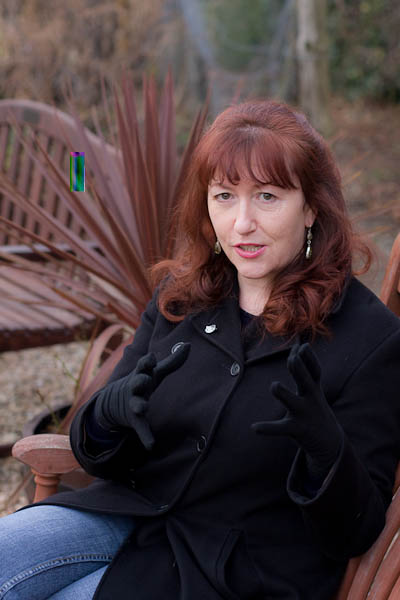
.jpg "img_5853")
.jpg "mac")
.jpg "point-and-shoots")
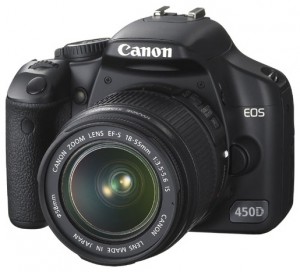
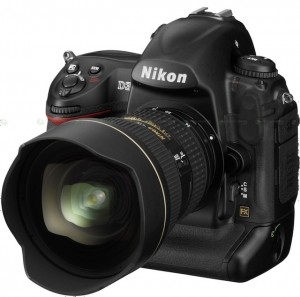


Hey, just curious if you found a remedy for this? I have a canon 40D and have just started experiencing this. I don’t convert to .dng, but I do import the Canon raw files into lightroom 2. The file will load into the library and then out of no where when I click it to review (or possibly compare it to another photo), half the photo shows the little boxes you have in your photo examples…only mine cover at least 25% of the file if not more. Any tips of how you remedied this would be great (my email is in the post for you! THanks, Brent
No joy I’m afraid. I don’t believe it was a card reader or hard disc issue. It happened only to dng files and started when the 1.4 update (I think from memory) came out and was instantly replaced due to a problem with it. I have had no problems since, but I am avoiding dng conversion now.